
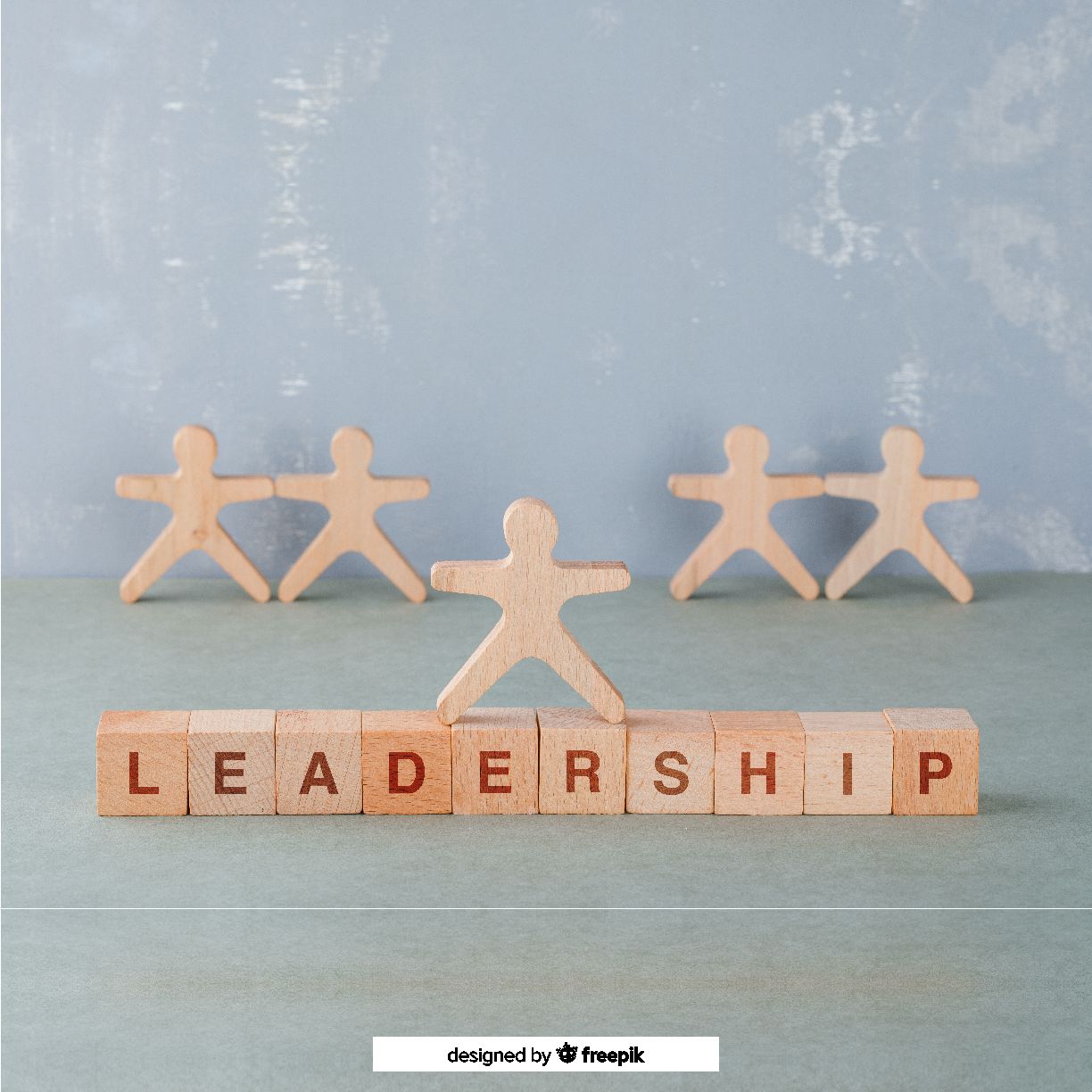
In today’s fast-moving business world, leadership isn’t delivered through authority alone, it’s crafted through the language we use. Language isn’t just a neutral vessel for ideas; it shapes perception, builds trust, and connects people to purpose. (Oxford Training Centre)
At its heart, leadership is a relationship, not a hierarchy. And language is the primary medium of that relationship.
Words Shape Leadership Reality
Think about the leaders you admire. Chances are you remember how they made you feel, inspired, confident, safe, as much as what they said. That’s because language isn’t simply about grammar or vocabulary; it’s about influence.
The Power of language in leadership goes well beyond correct English: the tone, structure, choice of words, and intent all signal leadership authenticity and strength. (Forbes)
According to leadership communication research, words can:
- Build or erode trust — clear, consistent language sends a signal of reliability, while vague language plants seeds of doubt. (TSG Advisors)
- Set tone and culture — leaders’ language doesn’t just convey strategy; it reinforces organisational values and norms. (TSG Advisors)
- Align teams around shared purpose — when leaders communicate with clarity and direction, teams move together toward goals. (Oxford Training Centre)
In fact, modern leadership research suggests that communication effectiveness, not technical expertise alone, is one of the strongest predictors of a leader’s perceived competence. (LinkedIn)
Beyond Grammar: What Leaders Really Use Language For
Strong leaders use language to:
1. Inspire, not just inform
Leadership language is not a broadcast of instructions, it’s a craft. It balances the “why” with the “how”, connecting everyday tasks to the bigger mission. (Forbes)
2. Navigate tension with empathy and clarity
Language that shows understanding, not just authority, strengthens relationships. Leaders listen as much as they speak, and listening itself is a language skill: active engagement signals respect and builds psychological safety. (Oxford Training Centre)
3. Adapt across cultures and contexts
English is the lingua franca of global business, used by more than 1.5 billion professionals worldwide. (Learn Laugh Speak) This makes cultural nuance, tone awareness, and precision even more critical, leaders must communicate so diverse teams feel understood, included, and inspired.
4. Choose language strategically
Leadership communication isn’t one-size-fits-all. The words you use with a veteran team member differ from those you use with a new client. Skilled leaders choose language that matches the audience and objective, not just the content.
Communication Is Not Optional – It’s Strategic
Leadership communication is more than an add-on skill, it’s strategic currency. Poor communication doesn’t just slow projects; it can erode trust, misalign teams, and undermine performance. Conversely, leaders who speak with clarity and intention increase engagement, strengthen culture, and accelerate outcomes. (Oxford Training Centre)
So, what does that mean for leaders who are non-native English speakers, or anyone aiming to strengthen their impact?
It means recognising that:
English communication isn’t just grammar and vocabulary, it’s the language of influence, authority and alignment.
Language choices contribute to how others perceive your credibility, how teams interpret your vision, and how your organisation realises its goals.
Ready to Level Up Your Leadership Language?
At LanguageWize, we help business professionals transform their English communication into a strategic leadership tool, not just a language skill.
📩 Contact Heidi
📞 +27 78 528 0755
📧 heidi@languagewize.com
LanguageWize — Speak with clarity. Lead with confidence.
Blog written and prepared by Heidi Nel
04 February 2026
4 Responses
Invite your network, boost your income—sign up for our affiliate program now!
Sign up for our affiliate program and watch your earnings grow!